
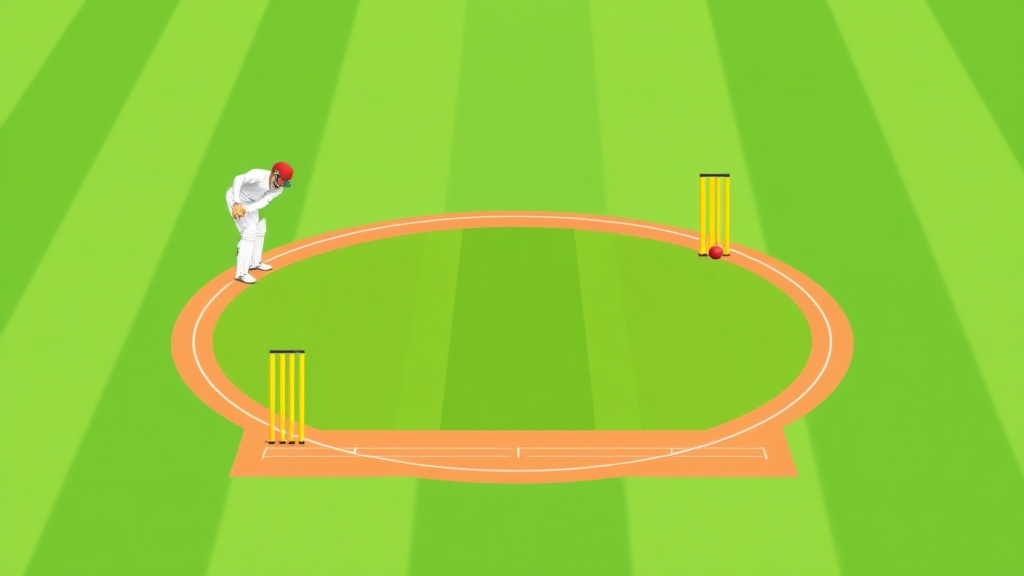
The cricket pitch is the heart of the game, where matches are won and lost through skill, strategy, and precise execution. Yet behind every thrilling contest lies meticulous groundwork—literally. Professional cricket demands exacting standards for pitch preparation and ground maintenance that directly influence gameplay, player safety, and match outcomes. This article explores the essential techniques, equipment, and protocols that groundskeeping teams employ to create world-class playing surfaces, examining how soil composition, grass cultivation, and weather management combine to meet international cricket standards|international cricket standards.
Soil Composition and Foundation Layer Development
Understanding Soil Specifications
The core structure of any cricket pitch at the professional level starts with evaluating soil composition and its essential importance in pitch performance. Cricket grounds require a well-proportioned soil structure that delivers adequate drainage and structural stability during the playing season. The preferred soil structure usually comprises a mixture of sand, silt, and clay in precise proportions, establishing a loam-based base that supports both grass establishment and consistent playing conditions. Groundskeeping teams perform routine soil testing to monitor pH levels, nutrient content, and structural integrity, ensuring the pitch sustains optimal performance characteristics for competitive matches.
Professional cricket pitches demand soil that can withstand intense wear from athlete activity while maintaining stable ball behavior characteristics. The soil base must preserve adequate water for turf establishment without getting oversaturated, which would undermine playability and player safety. Different regions and climates demand adjusted soil compositions; tropical grounds may need enhanced drainage capabilities, while temperate regions gain from improved moisture retention. Soil testing laboratories offer comprehensive analyses on nutrient composition, plant material, and soil density, guiding groundskeepers in establishing focused enhancement initiatives across all seasons.
Base Layer Assembly Techniques
Creating a cricket pitch of professional standard involves several interconnected layers that function in conjunction to create the optimal surface for play. The foundation layer typically comprises a 300-400mm foundation of well-draining material, often incorporating a stone or gravel aggregate that enables water to move away from the playing surface. Above this, a second layer of coarser sand provides additional drainage capacity while facilitating root growth of the grass surface. These layers are carefully compressed using purpose-built machinery to achieve precise density specifications, avoiding subsidence and keeping surface levels uniform across the entire pitch.
The middle layer construction incorporates a specially formulated rootzone material, typically blending sand, silt, and organic matter in engineered proportions to create an ideal growing medium for cricket pitch grasses. This layer, generally 100-150mm thick, serves as the critical interface between the drainage system and the playing surface, enabling both water movement and nutrient supply. Modern cricket grounds frequently utilize sophisticated building methods such as laser leveling to guarantee precise gradient slopes for water drainage. The entire base construction process requires careful planning, quality control testing, and adherence to international standards set by cricket governing bodies.
Maintenance of Soil Structure
Sustaining soil structure throughout the cricket season requires ongoing evaluation and focused management to prevent degradation. Consistent aeration practices, including spike and slit operations, minimize soil compression and optimize water drainage, particularly during intensive use phases. Groundskeepers implement strategic rest periods between matches to promote soil regeneration and vegetation regrowth, distributing wear patterns the entire pitch surface. Soil amendment programs add organic material and beneficial microorganisms that enhance soil health, nutrient content, and disease resilience, creating a resilient playing surface.
Year-round soil management practices accommodate changing weather conditions and pitch usage requirements throughout the cricket calendar. Winter maintenance programs focus on enhanced drainage and soil structure repair, preparing the pitch for demanding summer competition calendars. Groundskeeping teams perform routine soil sampling and laboratory analysis to monitor shifts in soil composition, density, and nutrient content, allowing informed decision-making based on data. These preventative care strategies ensure that the soil foundation stays strong and resilient, directly contributing to uniform pitch performance and the longevity of professional cricket pitches across multiple seasons.
Grass Species Selection and Turf Management
Selecting an appropriate grass species is critical to developing a professional-grade cricket pitch that adheres to professional standards. Ryegrass perennial and creeping red fescue are preferred choices in moderate climate zones, offering outstanding resistance to wear and recovery capabilities essential for high-level match performance. These species provide dense, uniform coverage while preserving superior playing qualities throughout the year, ensuring reliable playing surfaces and decreasing care requirements.
Seasonal Maintenance Protocols
Spring upkeep prioritizes pitch rejuvenation after winter rest, including soil aeration, reseeding, and nutrient application to promote robust turf development. Field management staff utilize advanced machinery to relieve soil compaction and support root establishment. Fertilization schedules are carefully timed to optimize nutrient absorption, guaranteeing the pitch attains optimal playing surface before the competitive season starts. Ongoing assessment of vegetation vitality signs directs management approaches throughout this critical period.
Summer care involves comprehensive oversight to combat thermal strain, wear caused by play, and pest infestations. Irrigation systems maintain optimal soil moisture levels while mowing heights are adjusted to reconcile performance with plant health. Regular pest and disease monitoring proves essential, with immediate treatment procedures preventing outbreaks that could damage playing surface quality. Groundskeepers perform regular checks and apply specific treatments to tackle developing problems without delay.
- Aeration relieves compaction and enhances drainage efficiency
- Reseeding covers bare patches and strengthens turf density
- Fertilization provides key minerals for strong development
- Irrigation maintains consistent soil moisture and grass vigor
- Monitoring pests prevents turf diseases and turf damage
Autumn maintenance transitions the pitch toward dormancy while preparing for winter challenges ahead. Scarification clears away dead thatch accumulation that impedes water infiltration and nutrient availability. Final fertilization applications strengthen root systems before winter stress, while drainage systems get comprehensive inspection and maintenance. Leaf removal and rubbish removal reduce fungal infection, establishing optimal conditions for spring recovery and ensuring the pitch emerges healthy and resilient.
Pitch Dimensions, Markings, and Safety Standards
Standard Playing Field Specifications and Layout
The cricket pitch must comply with strict dimensional requirements established by the Marylebone Cricket Club (MCC) Laws of Cricket. The playing surface spans 22 yards (20.12 meters) in length between the bowling creases, with a width of 10 feet (3.05 meters) from edge to edge. The crease markings mark critical areas: the popping crease extends 4 feet (1.22 meters) in front of the stumps, while the bowling crease runs perpendicular to the pitch centerline. These specific measurements ensure uniformity across all professional venues and maintain the fundamental balance between batting and bowling advantages that characterizes cricket’s competitive integrity.
Beyond the pitch itself, the playing area extends significantly to accommodate fielders and ensure safe limits. The outfield typically stretches at least 75 yards from the middle of the pitch, though premier grounds often offer substantially more room. Return creases delineate the outer edges of the pitch, located 8 feet 8 inches (2.64 meters) on both sides of the center line. Precise pitch configuration demands specialized tools including laser theodolites and measuring tapes, with groundskeeping teams completing pre-match verification to verify all measurements meet international standards and event-specific standards.
Line Markings and Visual Distinction
Clear, visible markings are vital for players, umpires, and spectators to comprehend match advancement and implement playing regulations properly. White lines indicate the crease positions using custom paint blends that deliver excellent visibility without damaging the grass surface. The popping crease takes the form of a continuous white line, while the bowling crease extends at right angles to the pitch width. Return creases extend from the ends of the bowling crease toward the boundary, completing the rectangular playing area. Groundskeeping teams apply these markings using marking equipment that spread paint uniformly, typically reapplying lines before each match to preserve pristine appearance and optimal visibility.
The field boundary denotes the final dimensional boundary, located at the outer limit of the playing area as specified by competition rules. Multiple formats may demand varying boundary lengths; Test cricket typically use wider boundary lines than one-day matches. maintenance personnel methodically arrange and fasten perimeter lines using pegs and specialized anchoring systems that prevent movement during match action. High-visibility boundary ropes, typically in distinct hues like bright yellows or whites, ensure players can assess measurements with precision. Routine examination and maintenance of field markings avoid conflicts and guarantee uniform understanding of fielding positions throughout the match duration.
Player Protection Standards and Player Safeguarding
Player safety represents a key concern in modern cricket ground preparation, with detailed guidelines addressing surface conditions, equipment placement, and hazard elimination. The pitch surface must be clear of dangerous indentations, hard spots, or irregular patches that could lead to player damage during quick movement or diving. Groundskeeping teams perform thorough pitch inspections using technical instruments to identify problem areas, implementing remedial actions including targeted irrigation, aeration, or specific restoration. Safety protocols extend beyond the pitch to incorporate alert mechanisms for boundary areas, ensuring fielders can distinguish playing areas from non-playing zones without risk of collision with permanent structures or spectator barriers.
Professional grounds maintain extensive safety protocols addressing equipment placement, sight lines, and ground-level risks. Sightscreens positioned at both ends of the pitch must meet particular size specifications while remaining safely secured against wind and vibration. Advertising boards and additional fixed structures are placed to avoid creating hazardous angles or blind spots for fielders. Groundskeeping teams consistently check protective equipment, including padding on boundary structures, and ensure sufficient distance between playing areas and spectator zones. Weather-related hazards receive special focus, with protocols established for managing damp playing surfaces, lightning risks, and extreme temperatures that could affect player safety during matches.
