
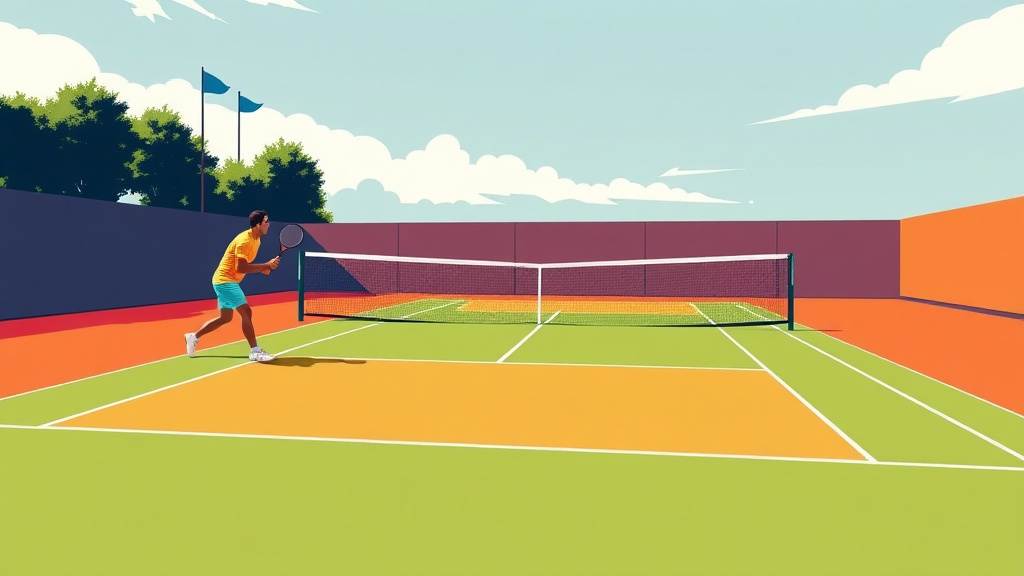
Top-tier athletes know that match victories is not just about strong hitting—it’s about being in the right place at the crucial moment. Strategic footwork training are the competitive advantage that distinguishes champions from rivals, enabling players to navigate smoothly across the playing surface and take advantage of decisive opportunities. This article explores how deliberate movement practice enhances court placement, reduces reaction time, and substantially raises scoring efficiency, revolutionizing your game through intentional positioning drills.
Foundation of Court Position Through Foot Movement
Strong court positioning is built on perfecting core footwork patterns that enable quick directional changes and optimal stance alignment. Players who build strong footwork foundations can read opponent movements, shift positioning in advance, and maintain balance during explosive transitions. These essential movement principles set the baseline for all advanced techniques, ensuring that athletes move with purpose rather than reacting frantically across the court. Dedicated repetition of foundational drills builds muscle memory, allowing players to perform positioning adjustments without thinking during demanding game scenarios without conscious deliberation.
The relationship between footwork quality and court position significantly influences a player’s ability to execute successful shots from advantageous locations. Superior footwork enables athletes to create optimal angles for aggressive play while preserving defensive flexibility when needed. By developing proper movement patterns early in training, players build the physical base necessary for performing advanced positioning strategies during matches. This foundational work proves essential when pressure increases, as well-developed footwork patterns allow players to concentrate mental effort on tactical decisions rather than fundamental movement execution.
Core Footwork Exercises for Elite Players
Professional players must develop a thorough footwork foundation that combines speed, agility, and precision. Organized training drills builds muscle memory for explosive movements, allowing athletes to respond instinctively during intense match conditions. By dedicating focused training sessions to footwork improvement, players form the mental connections necessary for ideal positioning and quick shifts in direction that directly impact match outcomes.
Side-to-Side Movement and Split Step Methods
The split step represents the core basis of dynamic foot positioning in competitive tennis. This dynamic, timed bound initiates every movement pattern, setting up the body for quick directional changes in any direction. Mastering split step technique and timing permits players to secure critical time advantages, helping them get to tough spots and preserve stability during powerful striking combinations.
Lateral movement drills develop side-to-side agility essential for cover the court effectively. Cone drills, ladder work, and shadow movement drills develop explosive lateral acceleration and managed slowing. These focused exercises build the support muscles needed for rapid direction changes, improving stability throughout extended rallies and enabling players to sustain ideal court position throughout long matches.
Transitional Exercises for Approaching the Net
Transitional movement influences performance in approaching the net for offensive opportunities. Players must master fluid, precise movement patterns that sustain forward movement while permitting quick adjustments to competitor movements. Strategic transition drills instruct athletes to anticipate ball direction, positioning themselves effectively for attacking strokes that create advantageous net positions for finishing shots.
The approach-to-net sequence demands coordinated footwork that balances offensive aggression with defensive readiness. Experienced competitors practice dynamic transition patterns featuring split steps, recovery movements, and positioning near the net. These integrated drills build confidence in attacking situations, allowing competitors to capitalize on transition chances into winning points that decide matches through better court placement and efficient movement.
- Cone weaving drills develop side-to-side quickness and directional control
- Ladder footwork builds quick feet and explosive acceleration patterns
- Shadow footwork refines movement awareness without direct ball interaction
- Court transition circuits develop stamina and consistent positioning
- Split step timing exercises improve responsive footwork initiation mechanics
Turning Court Advantage into Match Points
Mastering advanced footwork drills significantly improves increased match point conversion rates. When players execute accurate movement sequences, they place themselves strategically for finishing shots, allowing them to exploit opponent weaknesses. The connection between court positioning and point success becomes evident through consistent practice. Players who invest in footwork training demonstrate superior court awareness, enabling them to foresee ball movement and move proactively rather than reactively. This competitive advantage compounds throughout matches, turning marginal positioning improvements into commanding wins.
The concluding phase of point-winning execution demands integrating footwork excellence with strategic implementation. Advanced drills teach players to identify high-success scoring chances and move into offensive locations with assurance. By building automatic responses through consistent foot movement drills, athletes remove doubt during critical moments. Elite competitors credit their winning record to recognizing how every step matters. Superior footwork establishes the basis for attacking stroke choices, enabling players to finish points decisively. Integrating these drills into your training regimen ensures that positional superiority regularly converts to concrete match wins.
