
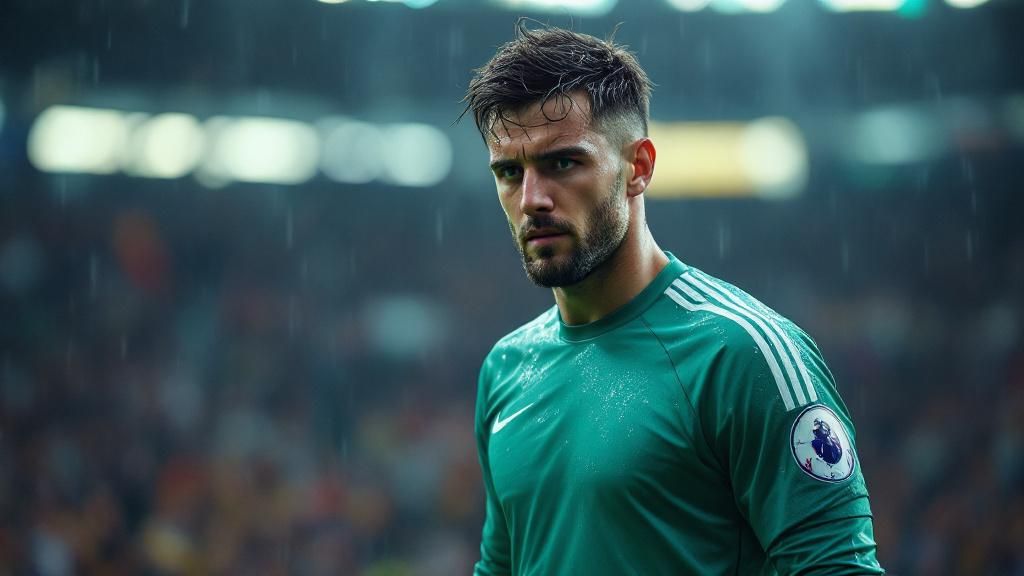
Tottenham Hotspur’s coaching turmoil worsened on Wednesday as interim head coach Igor Tudor endured his fourth consecutive defeat, a devastating 5-2 defeat to Atletico Madrid in the Champions League last 16. The Croat’s time in charge has become progressively difficult after just four games in charge, after his hiring to replace Thomas Frank. With former manager Mauricio Pochettino watching from the stands in Madrid, Spurs’ hierarchy confronts mounting pressure to make a further emergency coaching change. Tudor’s disastrous beginning—the worst by any Tottenham manager in recent history—has left the club’s European ambitions in tatters and sparked serious questions about whether his appointment was a terrible mistake by the club’s leadership team.
A Terrible Start in Madrid
The opening 23 minutes at the Metropolitano were within the most catastrophic Tottenham has experienced in recent years. Goalkeeper Antonin Kinsky, given his first start ahead of established first-choice Guglielmo Vicario, gifted Atletico Madrid two goals within minutes through shocking mistakes. The 22-year-old’s missteps allowed Marcos Llorente and Julian Alvarez to capitalize with embarrassing simplicity, setting the tone for a nightmare performance. Defender Micky van de Ven added to the trouble by also slipping over, presenting Antoine Griezmann with a third strike as Atletico reached 4-0 without breaking a sweat.
Tudor’s response was swift and brutal—substituting Kinsky after just 17 minutes in a desperate attempt to stem the bleeding. Yet the damage was irreversible, with Spurs’ defensive frailty and personal errors already having derailed their European pursuit. The final scoreline of 5-2 makes the second leg a foregone conclusion, leaving Tottenham fighting for survival rather than advancement. This was Spurs’ season summarized: self-sabotaging, error-prone, and deeply fractured under Tudor’s management.
- Kinsky allowed two goals through defensive mistakes in early stages
- Van de Ven’s mistake presented Griezmann with a third strike
- Atletico reached 4-0 without requiring an above-average performance
- Second leg now a foregone conclusion with European hopes effectively ended
The Substitution Debate
Igor Tudor’s decision to replace goalkeeper Antonin Kinsky after just 17 minutes marked one of the most remarkable moves in modern football management. The young goalkeeper’s severe blunders—two costly slips that directly led to goals from Marcos Llorente and Julian Alvarez—left Tudor with no option other than to act decisively. Yet the manner of the substitution, taking off a player so early in a European tie, underscored the chaos engulfing Tottenham’s season and raised uncomfortable questions about the club’s transfer choices in selecting Kinsky ahead of established first-choice Guglielmo Vicario.
While Tudor’s quick decision showed a willingness to correct mistakes in real time, it also exposed the fundamental problems plaguing Spurs under his management. The substitution served as a snapshot of the entire season—reactive rather than proactive, stemming from desperation rather than tactical preparation. Kinsky’s disastrous first appearance, exacerbated by the manager’s dramatic decision, only magnified the atmosphere of chaos engulfing the club as they surrendered meekly to Atletico Madrid in the presence of their away fans.
A Rare and Brutal Choice
Taking off a goalkeeper after 17 minutes is extremely rare in top-level football, a move that highlights both the extent of Kinsky’s errors and the desperation of Tudor’s circumstances. The goalkeeper’s personal errors—not tactical failures or organizational failings, but pure calamitous errors—left the acting coach with no realistic alternative. By implementing the substitution, Tudor at least proved he would refuse to permit substandard play to escalate, even if the symbolic message was harmful to squad morale.
Yet the swap also revealed the precarious position of Tudor himself. His hiring was intended to deliver quick results and stability into Tottenham’s season, but instead he ended up rushing into choices within minutes of kickoff. The stark manner of dropping Kinsky so publicly illustrated the chaos surrounding the club and sparked debate about whether Tudor possessed the poise and decision-making necessary to manage such crisis situations effectively.
- 17-minute substitution virtually unprecedented in professional football management
- Decision indicated desperation rather than tactical flexibility or planning
- Public manner of substitution damaged morale and exposed organizational dysfunction
Team Morale and Management Disconnect
The catastrophic opening 23 minutes against Atletico Madrid showed much more than just individual errors—it highlighted a deep divide between the manager and squad at Tottenham. When a squad gives up four goals before the half-hour mark, the core problem goes well beyond tactical arrangement or temporary lapses in concentration. The players seemed disorganized, without cohesion, and apparently uncertain of their roles within the Tudor system. This widespread breakdown indicates that the interim manager’s communication has failed to land with the dressing room, or worse, that the players have already begun mentally checking out under his stewardship.
The replacement of Kinsky after 17 minutes, while necessary, inadvertently signaled a lack of faith in the team’s capacity to recover from adversity. Rather than galvanizing the team, the abrupt alteration appeared to discourage them further, as if the manager himself had abandoned hope of rescuing the situation. With four straight losses and a continental exit looming, the psychological toll on the players is apparent. The confidence that might have enabled Spurs to overcome difficult moments has vanished altogether, replaced by a unmistakable feeling of fear and uncertainty that pervades every aspect of their play.
| Metric | Current Status |
|---|---|
| Consecutive Defeats Under Tudor | 4 matches |
| Goals Conceded in Opening 23 Minutes vs Atletico | 4 goals |
| Worst Start Record in Club History | Confirmed |
| Squad Morale Assessment | Critically Low |
| European Tie Status | Effectively Over |
What Gamers Are Saying
Behind closed doors, Tottenham’s players are reportedly finding it hard to express confidence in Tudor’s methods or vision for the club. The silence from the dressing room speaks volumes—there are no outward signs of unity, no calls to action of defiance, no sense that the squad believes a turnaround is possible under the current management. When players lose trust in their manager, particularly after such a embarrassing loss, recovery becomes significantly difficult. The rift between Tudor and his squad has grown into a chasm that appears increasingly difficult to bridge.
The Board’s Challenge and Subsequent Measures
Tottenham’s hierarchy now faces an challenging choice: continue backing Tudor in hopes of a major turnaround materializes, or admit defeat and seek yet another managerial solution mid-season. The decision holds substantial weight, as each successive loss compounds damage to the club’s reputation and compounds the mental toll inflicted on the squad. With European exit virtually assured and league standing worsening quickly, the timeframe for corrective action is rapidly closing. The board must consider the expense of yet another managerial switch against the fact that Tudor’s present course leads nowhere but deeper into turmoil.
Financial factors and brand damage will significantly shape the board’s thinking. Sacking another manager shortly following appointing Tudor sends a troubling message about the club’s planning and stability. Yet allowing the problems to persist unchecked risks continued estrangement of supporters and disrupting the dressing room completely. The Tottenham hierarchy must act decisively, whether that means backing Tudor with reinforcements and tactical adjustments or acknowledging that his appointment was a misjudgment requiring immediate correction. Time is slipping away for decisive action.
- Tudor’s four-game losing streak represents poorest beginning in Spurs history
- European campaign effectively ended after 5-2 thrashing by Atletico Madrid
- Squad morale severely undermined, players allegedly losing faith in coach
- Board faces urgent choice of either backing Tudor or finding alternative
Pochettino’s Looming Presence
The irony is not lost on anyone observing from the stands at the Metropolitano: Mauricio Pochettino, Tottenham’s previous boss, watched his successor’s catastrophic performance play out before his eyes. Pochettino, who built the foundation for Spurs’ recent achievements and cultivated a winning mentality within the club, represents a different approach of steadiness and expertise. His time in Madrid served as an stark reminder of what the club has lost—a manager who understood the club’s culture, earned respect from the dressing room, and possessed the tactical acumen to navigate difficult periods. The contrast between Pochettino’s time in charge and Tudor’s catastrophic beginning could not be more pronounced.
Whether Pochettino might be persuaded to come back remains unclear, but his accessibility and knowledge with the club position him as a clear candidate should the board decide to cut ties with Tudor. The previous Spurs leader grasps the squad’s capabilities and limitations, has established existing rapport with important squad members, and might restore confidence through his proven track record. However, approaching Pochettino after such a short Tudor stint risks appearing reactive and desperate. The board must carefully consider whether a second Pochettino period represents genuine progress or simply damage control masking deeper structural problems.
